Eyeing a brand-new condo on the Hoboken waterfront and seeing the term “sponsor unit” everywhere? If you are relocating from NYC or buying your first luxury home, the details can feel confusing fast. You want the right mix of finishes, amenities, and certainty on timing and financing. This guide explains what a sponsor unit is, how it compares to a resale, and the steps to buy with confidence in Hoboken. Let’s dive in.
What a sponsor unit is
A sponsor unit is a condominium sold by the developer that created the building. These homes are usually part of the initial sales phase and may close before or shortly after the building is completed. Early on, the sponsor often controls the condo association and key decisions that affect budgets and amenities.
Your purchase is governed by the public offering statement or offering plan, the condominium declaration, bylaws, and municipal approvals. In Hoboken, closings also depend on Certificates of Occupancy or Temporary Certificates of Occupancy issued by the city. Some waterfront buildings may be subject to local redevelopment or tax agreements that can shape your long-term costs.
Sponsor unit vs resale in Hoboken
Who sells and why
- Sponsor unit: You buy from the developer, who aims to complete sales, stabilize the project, and reduce risk.
- Resale: You buy from a current owner whose timing and price goals vary based on life changes and market conditions.
Documents and disclosures
- Sponsor unit: You rely on the offering documents, initial budgets, and developer disclosures. Numbers can be pro forma.
- Resale: You can review established budgets, reserves, meeting minutes, and operating history from the association.
Association control and governance
- Sponsor unit: The sponsor typically controls the board until a set period or sales threshold is reached. Early budgets and decisions often reflect developer priorities.
- Resale: You enter an established governance structure with history on reserves, vendors, and rules.
Closing timing and certainty
- Sponsor unit: Closing may hinge on building completion, CO/TCO issuance, and amenity delivery. Phased or staggered closings are common.
- Resale: Timelines are more predictable once inspections, title, and mortgage approvals are complete.
Financing and appraisal
- Sponsor unit: Lenders evaluate project-level criteria such as owner-occupancy ratios, reserve funding, and compliance with Fannie Mae, Freddie Mac, FHA, or VA standards. Certain loan products may be limited until the project meets required thresholds.
- Resale: Appraisals lean on nearby comparable sales, and the building typically already meets lender eligibility.
Warranties and condition
- Sponsor unit: You usually receive builder warranty coverage for workmanship, systems, or structural items. Confirm terms and process.
- Resale: Condition varies and warranties are uncommon. You negotiate repairs or price.
Negotiation dynamics and concessions
- Sponsor unit: Developers may offer incentives like closing cost help, parking discounts, upgrades, or rate buydowns, depending on market conditions.
- Resale: Concessions depend on individual seller motivation and the broader market.
Pros and cons for Hoboken waterfront buyers
Potential advantages
- New-construction finishes and customization. You may choose finishes or upgrades if you buy early.
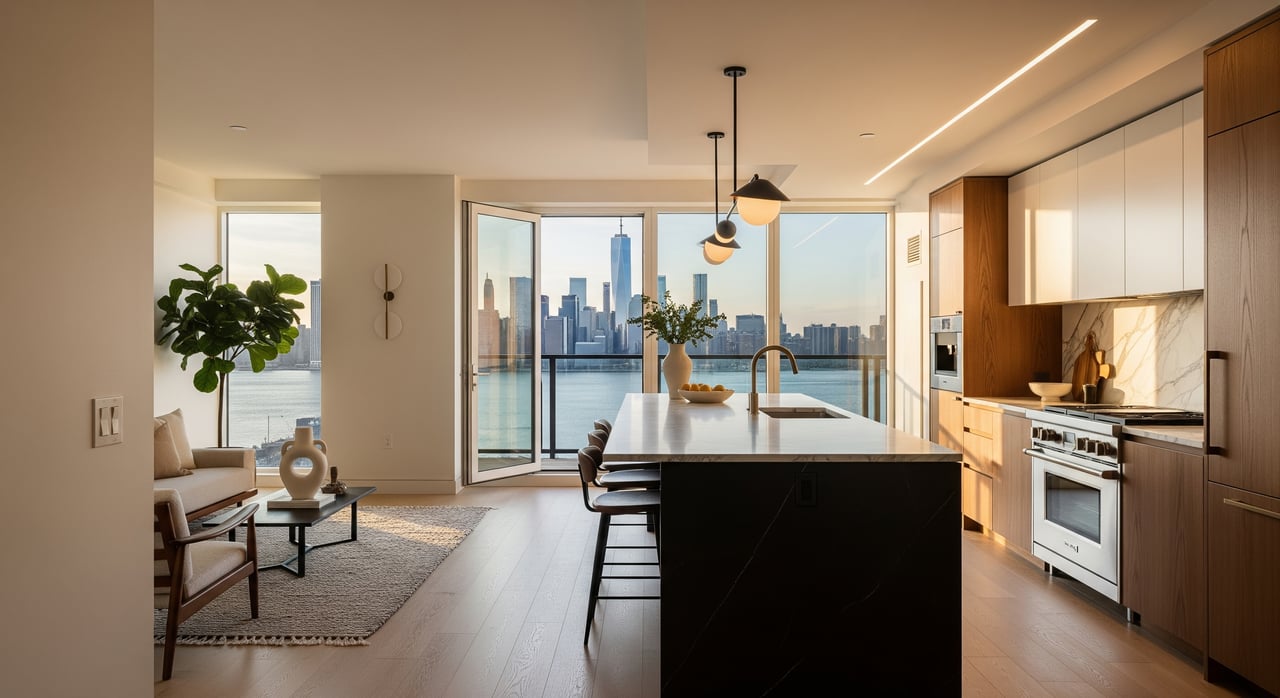
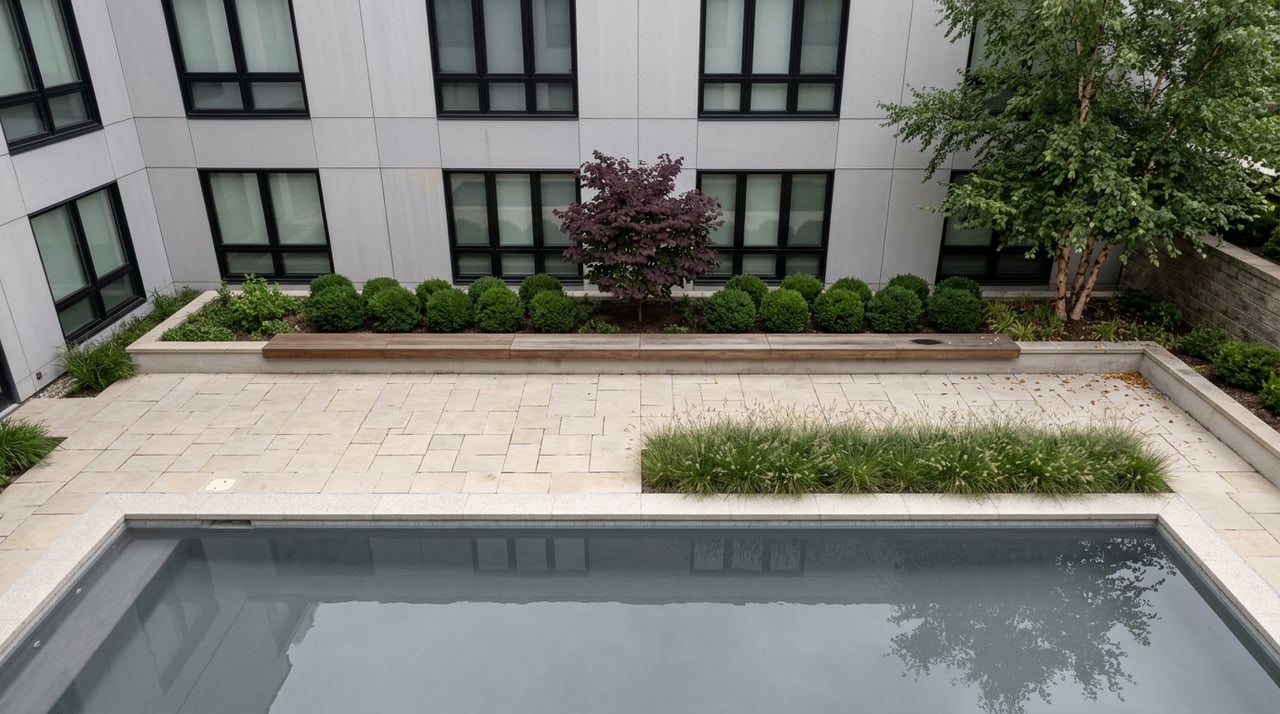
- Full amenity lifestyle. Waterfront buildings often deliver concierge, fitness, pool, terraces, parking, and storage.
- Opportunity for sponsor concessions. In softer markets, developers may offset costs or enhance value.
- New-home warranty coverage. This can reduce near-term repair risk and unexpected spend.
- Modern systems and efficiency. Updated HVAC, windows, and insulation can limit early maintenance.
Key tradeoffs to plan for
- Possible closing delays. CO/TCO timing, utility connections, common-area completion, and flood mitigation can affect schedules.
- Sponsor control and early budgets. Initial budgets are often pro forma, with lower reserves and less transparency. Fees can change after turnover.
- Financing limitations. Some loan programs are unavailable until sales and occupancy cross required thresholds.
- Amenity timing. Features may be phased in. Delays can affect how you use the building and your perceived value.
- Taxes and abatements. PILOTs or tax abatements can shape your carrying costs now and later. Assessed values may change after stabilization.
- Early pricing risk. Paying a premium for first occupancy does not guarantee future resale performance. Governance and reserves matter over time.
Local considerations in Hoboken and Hudson County
- Flood risk and insurance. Waterfront addresses may be in flood zones. Confirm elevation, mitigation, and potential insurance requirements.
- Commute and transit. Proximity to PATH, light rail, ferries, and buses is a lifestyle driver. Compare commuting options and parking availability.
- Redevelopment agreements. Large projects may follow specific plans and hearings that influence timing and taxes.
- Market dynamics. When demand is strong, sponsor concessions can be limited. In softer periods, incentives often increase.
Closing and financing basics to verify
CO, TCO, and municipal approvals
- Understand whether your closing requires a final Certificate of Occupancy or if a Temporary Certificate is acceptable to your lender and insurer.
- If a sponsor requests closings before a final CO, confirm lender, title, and insurance requirements in writing.
Project eligibility and loan options
- Conventional, FHA, and VA loans apply project-level standards such as owner-occupancy ratios, reserve funding, litigation status, and single-entity ownership limits.
- Prequalify with a lender experienced in sponsor projects. Some programs require higher down payments or extra reserves.
Title, escrow, and closing mechanics
- Sponsors may recommend specific title or closing agents. Retain independent legal counsel to protect your interests.
- Review deposit protections, extension clauses, cure periods, and remedies if the sponsor misses deadlines.
- Confirm transfer taxes, recording fees, and how any sponsor credits are reflected in your loan approval and contract.
Governance and turnover
- Read the declaration for sponsor control rights, turnover triggers, and board formation rules.
- Expect that early budgets may have limited reserves. Plan for possible adjustments after owner control begins.
Inspections, walkthroughs, and warranties
- Schedule multiple walkthroughs to build a punch list. Document items clearly and confirm timelines for remediation.
- Obtain warranty documents and contact information for claims. Understand what is covered and for how long.
Assignments, resales, and rental rules
- If you plan to assign your contract before closing, verify whether assignments are allowed and what fees apply.
- Review leasing and short-term rental policies. These rules can shape investment performance and personal use.
Taxes, abatements, and insurance
- Determine whether the building has a tax abatement or PILOT. Model carrying costs during and after the benefit period.
- Verify master policy coverage, your HO-6 requirements, and any flood insurance needs.
Due diligence checklist for Hoboken sponsor units
- Review the public offering statement, condo declaration, bylaws, proposed budget, reserves, and amendments.
- Confirm sponsor control provisions, turnover timeline, percentage of closed third-party sales, and developer rights.
- Ask for the status of CO/TCO, open permits, approvals, and any violations or stop-work orders.
- Verify the amenity completion schedule and how your contract defines substantial completion.
- Confirm flood zone status, elevation certificates, and flood insurance requirements.
- Obtain preapproval from a lender that regularly closes sponsor units in Hoboken and knows local project eligibility.
- Retain an attorney experienced in New Jersey condo law and sponsor contracts to review title and closing documents.
- Schedule inspections and document your punch list. Confirm warranty coverage and repair timelines in writing.
- Model your monthly costs, including mortgage, HOA fees, insurance, flood insurance if applicable, and property taxes.
- Review the building’s master insurance policy and your required HO-6 coverage.
Is a sponsor unit right for you?
Choose a sponsor unit if you value first-occupancy finishes, robust amenities, and potential incentives, and you are comfortable with some timing and financing complexity. Choose a resale if you want more certainty on budgets, reserves, and governance, and you prefer a known operating history. In Hoboken’s waterfront market, both paths can work well when you verify the right details and negotiate the right protections.
If you want a clear plan tailored to your goals, connect with a Hoboken waterfront specialist who knows sponsor contracts, financing thresholds, and local timelines. For a discreet, results-driven experience backed by global marketing resources, reach out to Jessica Williams for a private consultation.
FAQs
What is a sponsor unit in Hoboken condos?
- A sponsor unit is a condo sold by the developer that created the building, often during the initial sales phase before full association turnover to owners.
How do sponsor units compare to resales on costs?
- Sponsor units may include incentives and warranties, while resales offer visibility into established budgets and reserves. Overall value depends on timing and terms.
Can I finance a Hoboken sponsor unit with a conventional loan?
- Possibly, but lenders first check project eligibility criteria like owner-occupancy ratios and reserve funding. Work with a lender experienced in sponsor projects.
Can a developer close my unit before the building is fully finished?
- Sometimes. Closings may occur under a Temporary Certificate of Occupancy. Confirm your lender and insurer accept the TCO and understand your contract terms.
What protections do I have if amenities are delayed?
- Protections come from your contract and the offering documents. Negotiate clear timelines, escrow provisions, and remedies if the sponsor misses delivery.
How does sponsor control affect early ownership?
- While the sponsor controls the board, budgets and decisions are set by the developer. Expect potential adjustments once owners take control.
Do Hoboken waterfront condos require flood insurance?
- Many waterfront properties are in flood zones. Verify the building’s elevation, mitigation features, and any flood insurance requirements before you buy.