Is the north Hoboken waterfront really pricier than the south? Or do views and floor level matter more than the address on your listing? If you are relocating or moving up, it is easy to feel unsure about how these micro-markets behave and what you should actually pay.
You deserve clear, local guidance rooted in how brokers and appraisers price the waterfront. In this guide, you will learn how the Hoboken waterfront is segmented, why view and exposure drive premiums, what building-era differences mean for value, and how to comp and negotiate with confidence.
Let’s dive in.
Why the Hoboken waterfront acts like its own market
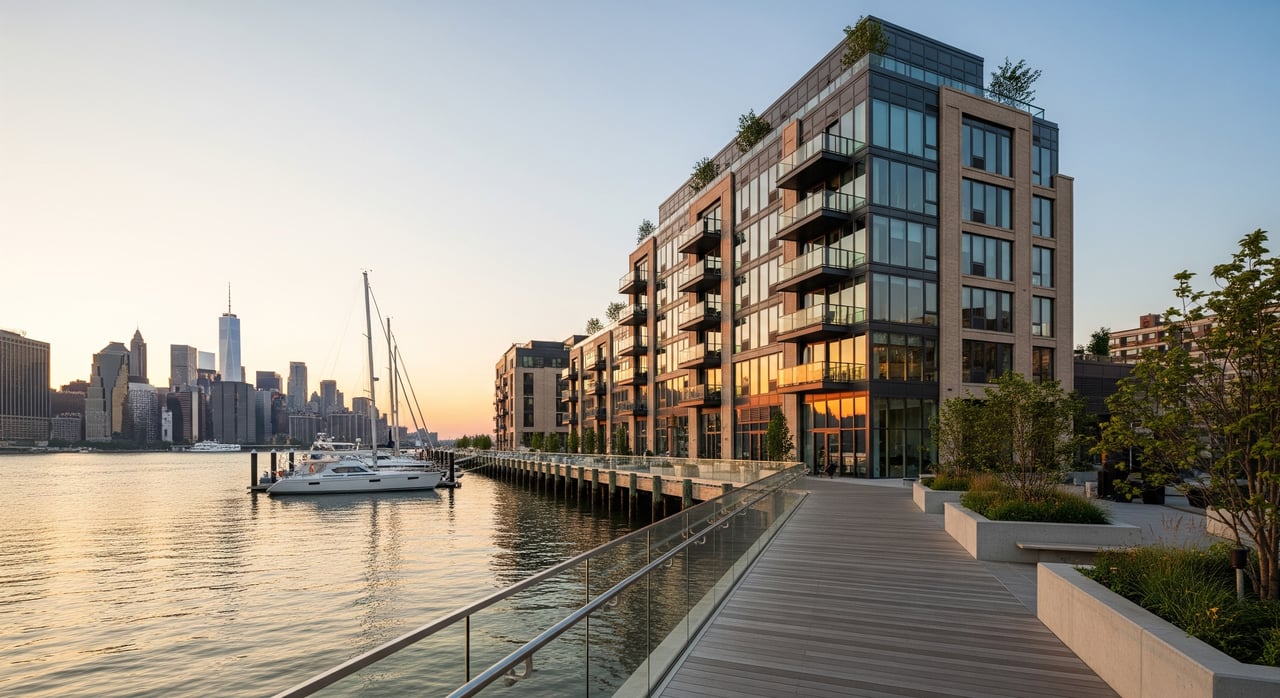
The Hoboken waterfront is a distinct product class. Supply is finite along the river’s edge, parks and the promenade shape where buildings can exist, and towers arrived in phases over decades. That mix creates scarcity and clear price bands.
Commute access is a major driver. Properties near PATH, NJ Transit at Hoboken Terminal, and ferry slips appeal to professionals who work in Manhattan and want time savings. Waterfront condos often trade at a premium to non-waterfront options because of proximity to transit, skyline views, and walkable amenities.
Buyer profiles often include relocating professionals, downsizers, and move-up buyers seeking elevator service, parking, and in-unit outdoor space. These preferences push demand toward newer buildings with full amenities.
Market momentum follows the broader NYC cycle. New project releases or rezoning can temporarily change supply, while seasonality can influence days on market and negotiation room. Always check current market pages and local MLS data when you price or write an offer.
North vs. south waterfront at a glance
Local agents commonly describe the waterfront in informal segments. There is no single official boundary, so the best approach is to define your frame and focus on the attributes that actually move price.
North waterfront traits
- Newer high-rise or phased developments with modern amenity suites.
- Quieter pockets with some unobstructed skyline exposures.
- Popular with buyers who prioritize newer towers, higher floors, and views.
Central waterfront traits
- A mix of mid- and high-rise buildings and active park space.
- Easy access to the promenade, piers, and community events.
- Product variety supports multiple price bands within the same blocks.
South waterfront traits
- Closer to Hoboken Terminal, PATH, and ferry options.
- A blend of older conversions and newer buildings.
- Commute convenience can offset a less dramatic view in buyer calculations.
What actually sets waterfront price bands
Agents often present the waterfront in three bands: entry, mid, and top tier. The same building can contain all three, depending on the unit.
- Building age and product type. Newer luxury towers with full amenities and parking sit at the top of the price spectrum. Older walk-ups or conversions near the river trade at lower per-square-foot values.
- Floor and exposure. East-facing, unobstructed Manhattan skyline views on higher floors command the strongest premiums. Partial or obstructed views reduce pricing power.
- Transit access. Proximity to PATH, NJ Transit, or ferry slips can drive a notable premium for busy commuters.
- Park and promenade access. Being steps from the promenade, Pier areas, or Sinatra Park can lift perceived lifestyle value.
How view premiums work on the waterfront
View is often the single most measurable premium on the waterfront. Appraisers and brokers treat it as a specific amenity that requires an adjustment when selecting or tuning comps.
- Degree of view. Unobstructed skyline plus direct river outlook is valued higher than partial or blocked views. Distance to the bulkhead and the presence of parks or buildings in the sightline matter.
- Floor level. Higher floors often command added value independent of view because of light, privacy, and reduced street clutter.
- Orientation and time of day. East-facing skyline exposure has a unique draw. Seasonal light and sunrise or sunset effects influence buyer perception.
Practical ways to quantify view:
- Start with same-building comps where only exposure or floor changes. This isolates the view effect with minimal building-level noise.
- If that is not possible, use very similar nearby buildings where orientation differs but size, layout, and condition match closely.
- Apply adjustments in either dollars per square foot or percentage terms, then corroborate your approach with the best closed sales.
Premiums move with the market. In fast seller markets, percentage spreads can widen. In cooler conditions, the gap compresses. Buyers should also consider HOA and tax carrying costs alongside any view premium.
Building eras, ownership, and amenity impacts
The Hoboken waterfront includes several building eras, each with different value signals.
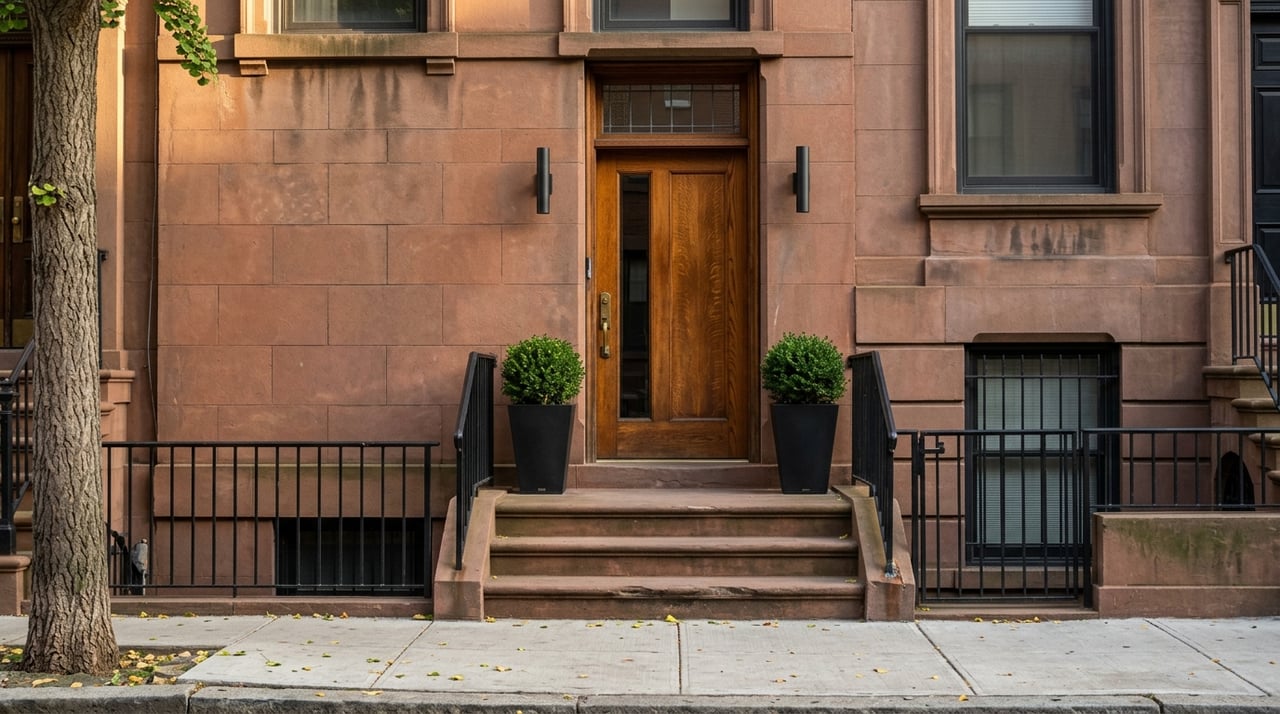
- Pre-war and early postwar conversions. Smaller footprints and character finishes, but limited elevator access and parking. These can be near the waterfront rather than directly on it.
- Mid-to-late 20th century stock. Low to mid-rise with larger floorplates. Amenity packages are lighter than today’s towers.
- 1990s to 2010s towers. Larger mid- and high-rise developments with concierge, fitness centers, structured parking, and modern mechanicals. Many of the prime waterfront towers date to this era.
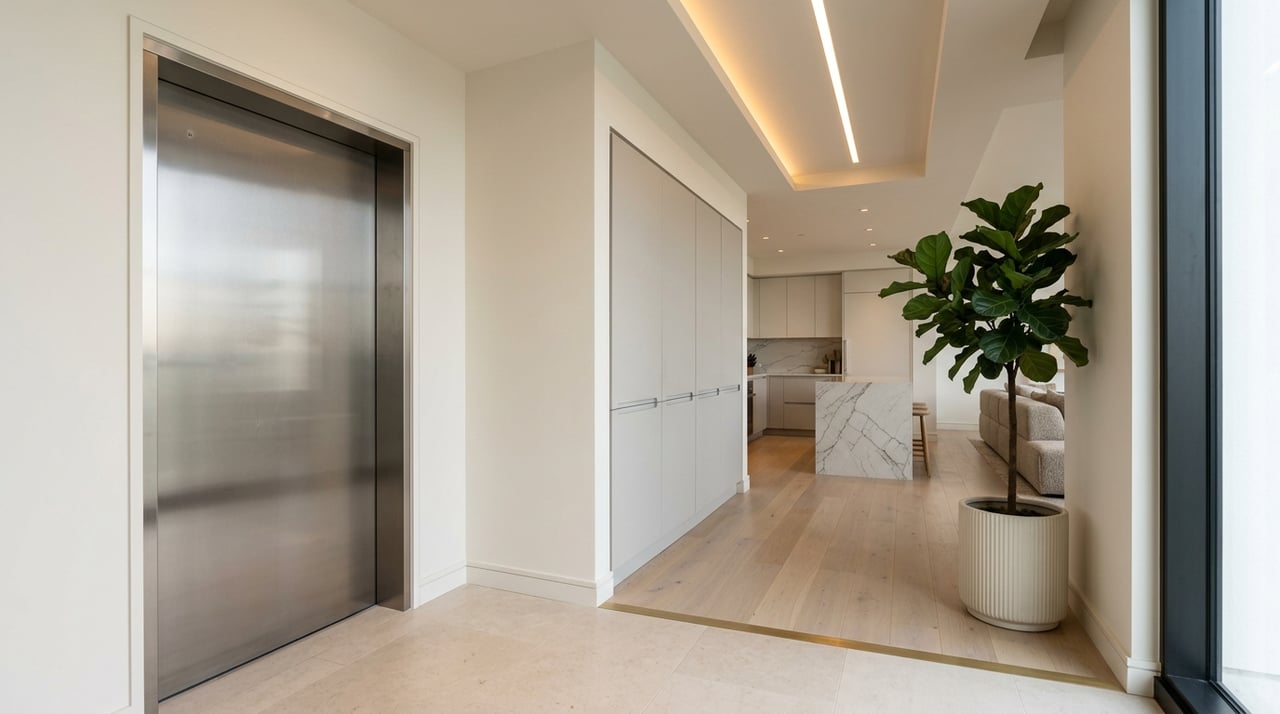
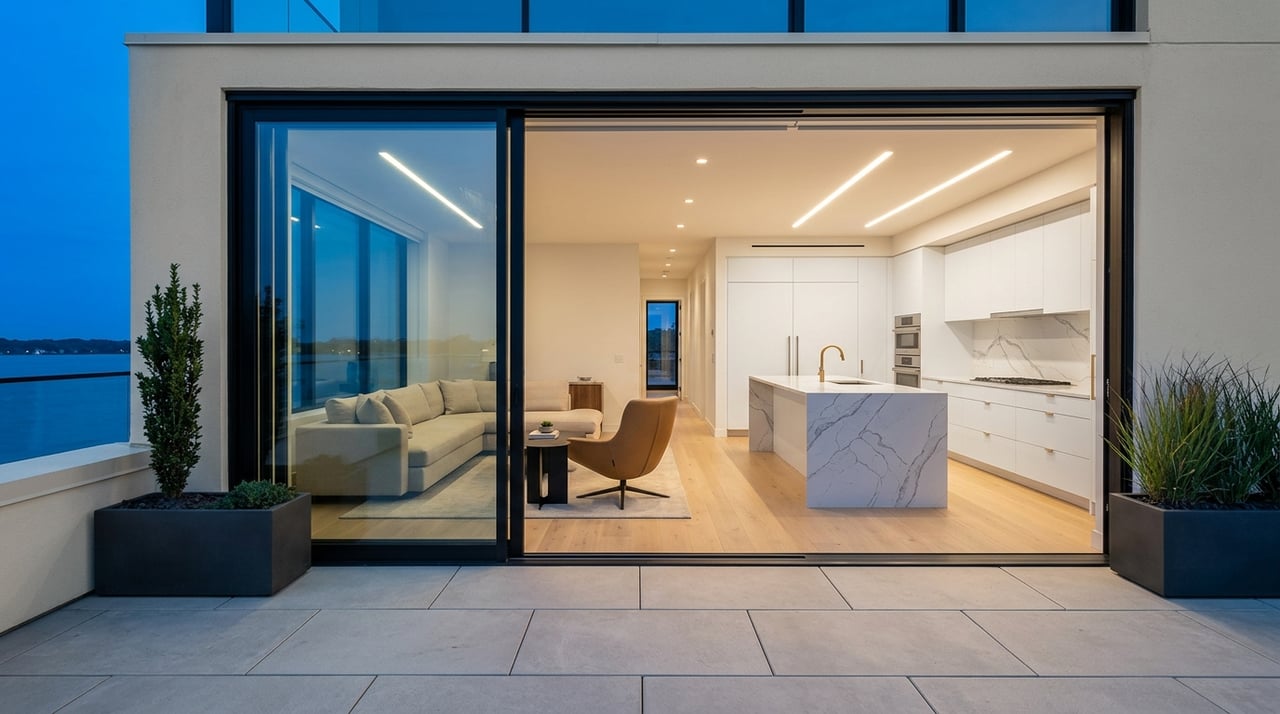
- Recent luxury towers. Glass facades, larger amenity suites, doormen, and penthouse product designed for premium pricing.
What this means for pricing and preference:
- Amenities and management. Full-service buildings trade at higher per-square-foot values and appeal to buyers who want turnkey living.
- Mechanicals and capital needs. Older buildings may show lower fees but can carry higher capital risk. Reserve funds and capital plans matter for long-term cost.
- Layout and ceiling height. Newer units typically feature open plans; older layouts can be charming but less efficient.
- Parking and storage. Dedicated parking and private storage add meaningful value on the waterfront.
Ownership form and carrying costs:
- Condo is more common on the waterfront and is often simpler for out-of-state buyers and investors. Co-ops are less common and can limit financing or add board approvals, which affects liquidity.
- HOA or maintenance fees tend to be higher in full-service buildings. Compare fees alongside taxes when you evaluate value.
- New Jersey property taxes are a notable part of carrying costs. Factor them into your affordability analysis, especially when comparing to NYC apartments.
How to comp a Hoboken waterfront condo
Use a tight, evidence-based method and document your adjustments.
- Prioritize same-building, same layout, same exposure closed sales within the last 6 to 12 months.
- If none exist, move to the closest micro-market comps in the same waterfront segment with similar floor, size, and bed/bath count.
- Adjust explicitly for view exposure and floor. Same-building, different exposure is your cleanest proof.
- Adjust for condition, renovation quality, parking rights, in-unit laundry, private outdoor space, and HOA or maintenance differences.
- Validate with active and pending listings to test current buyer appetite, but rely on closed sales for valuation.
For current sale-to-list ratios and days on market, consult real-time market pages or your agent’s MLS pulls the same week you price or offer. Waterfront inventory is unique, so a single great comp often tells you more than a wide set of loose comparisons.
List-to-sale behavior and how to negotiate
List-to-sale performance on the waterfront tracks the broader NYC cycle. In stronger periods, well-priced condos can sell at or above list. In softer periods, sale prices trend below list and negotiation room opens up. Always confirm current data before you set expectations.
What makes a difference in negotiation:
- View accuracy. Confirm that the view shown in marketing photos is the actual view from primary rooms. Ask for daytime and nighttime photos when view drives price.
- Carrying costs. High HOA fees or taxes can limit the buyer pool and give you leverage.
- Time and season. Unique view units can move quickly, while overpriced or obstructed-view units may linger and reduce.
- Appraisal and financing. If recent comps do not support the list price, use appraisal risk as a negotiation lever.
If commute convenience is central to your lifestyle, it can be rational to pay more per square foot for a location near PATH, Hoboken Terminal, or ferries. Weigh the time value alongside pure pricing.
Closing checklist for waterfront buyers
Before you sign, protect your priorities.
- Confirm view language in the contract if the view drives your price.
- Review building reserves and capital plans to gauge assessment risk.
- Verify deeded or assigned parking if it is priced in.
- Check flood zone status and insurance needs for lower floors.
- Understand any nearby projects that could alter sightlines or supply.
Where to check the latest data and context
Ready to see the right micro-market for you?
The best results come from a precise plan that blends your priorities with how the waterfront is actually priced. Whether you want a high-floor skyline view, a swift commute, or the best amenity set for your lifestyle, a specialist can help you move fast and avoid costly missteps.
For tailored guidance and a private tour plan, reach out to Jessica Williams for a private consultation.
FAQs
How do north and south Hoboken waterfront segments differ for buyers?
- North skews newer and view-driven on higher floors, while south often offers superior commute convenience near Hoboken Terminal and ferries; price depends most on building, floor, and exposure.
How are Manhattan skyline views priced in Hoboken condos?
- Appraisers and brokers treat view as a specific amenity with adjustments based on unobstructed vs. partial view, floor height, and orientation, corroborated by recent closed sales.
What is the best way to comp a waterfront condo in Hoboken?
- Start with same-building, same layout, same exposure closed sales from the last 6–12 months, then adjust for view, floor, condition, parking, and fees as you expand outward.
Are HOA or maintenance fees higher on the waterfront?
- Full-service waterfront buildings often carry higher fees due to amenities and services, so compare them alongside taxes when assessing total monthly cost.
How much negotiation room should I expect on a waterfront listing today?
- It depends on current sale-to-list ratios and listing velocity in Hoboken, so confirm live market data and recent comps before setting offer terms or price expectations.