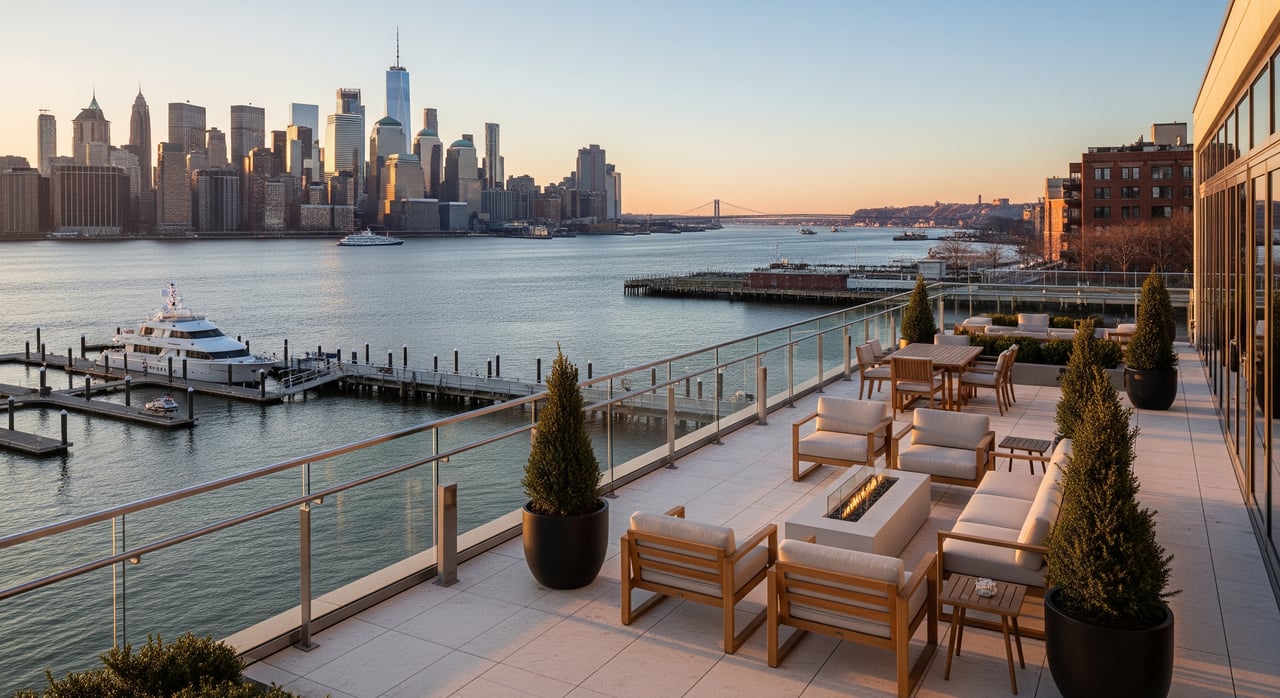
Hoboken Or Port Imperial? Choosing Your Waterfront Home
February 5, 2026
February 5, 2026
Torn between the energy of Hoboken and the calm of Port Imperial for your Hudson River home? You are not alone. You want skyline views, quick access to Manhattan, and a building that fits how you live day to day. This guide breaks down lifestyle, commute, housing, costs, flood risk, and resale so you can choose with confidence. Let’s dive in.
Start with how you plan to live, not just where you will sleep. Do you want a lively, walkable neighborhood with cafés at your door and nightlife nearby? Or do you prefer newer towers, larger homes, and a quieter waterfront setting with on-site amenities? Your answers will steer you quickly toward either Hoboken or Port Imperial.
Hoboken is a major transit hub anchored by Hoboken Terminal. You can access PATH to Midtown or Downtown Manhattan, multiple NJ Transit rail lines, buses, and ferries. Redundant modes help when one service experiences delays, and frequent schedules support off-peak and reverse commutes.
Port Imperial is designed around ferry access and the Hudson-Bergen Light Rail. Ferries can be a direct and comfortable ride to Midtown or Lower Manhattan. Off-peak, ferry frequency may be lower, so check schedules for your work hours. The light rail connects you to Jersey City and Bayonne with transfer options into Hoboken.
Costs differ by mode. Ferry fares are typically higher than PATH or light rail. Monthly passes can change your math, so compare your exact commute pattern before you choose a building. If you drive, Port Imperial often offers easier access to the Lincoln Tunnel and highways. Hoboken’s local streets are more congested, and parking is harder to secure.
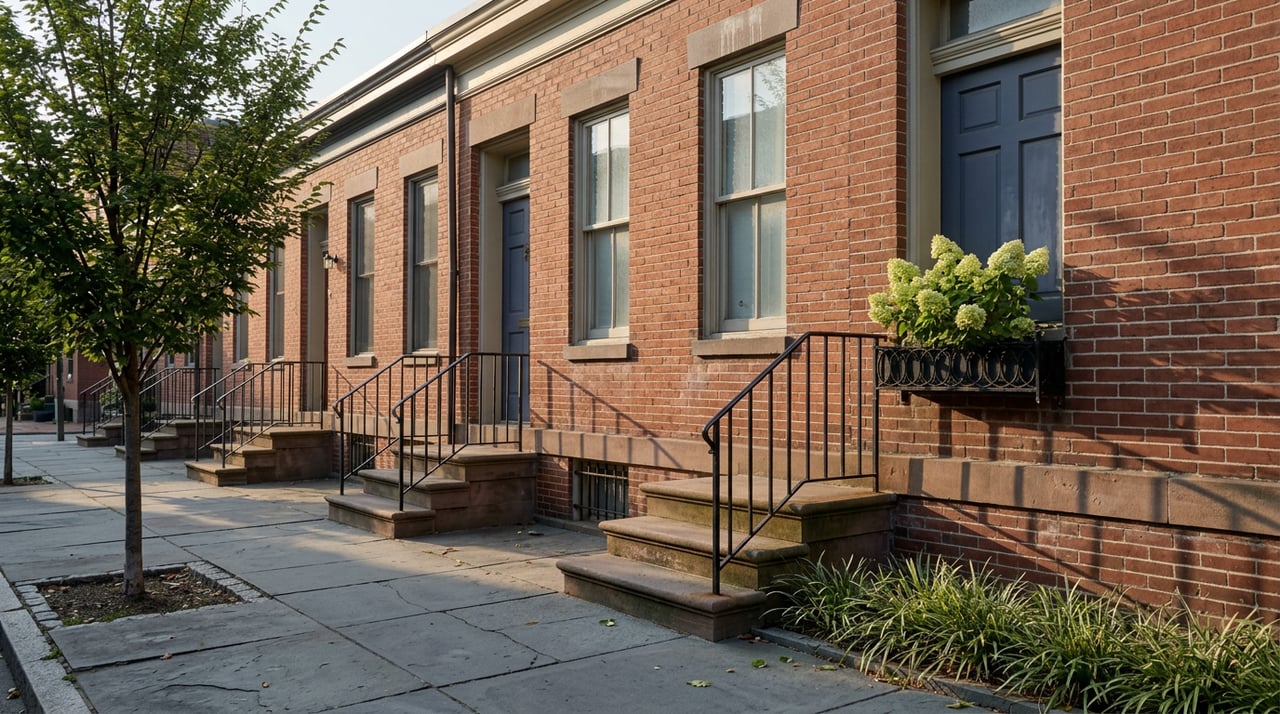
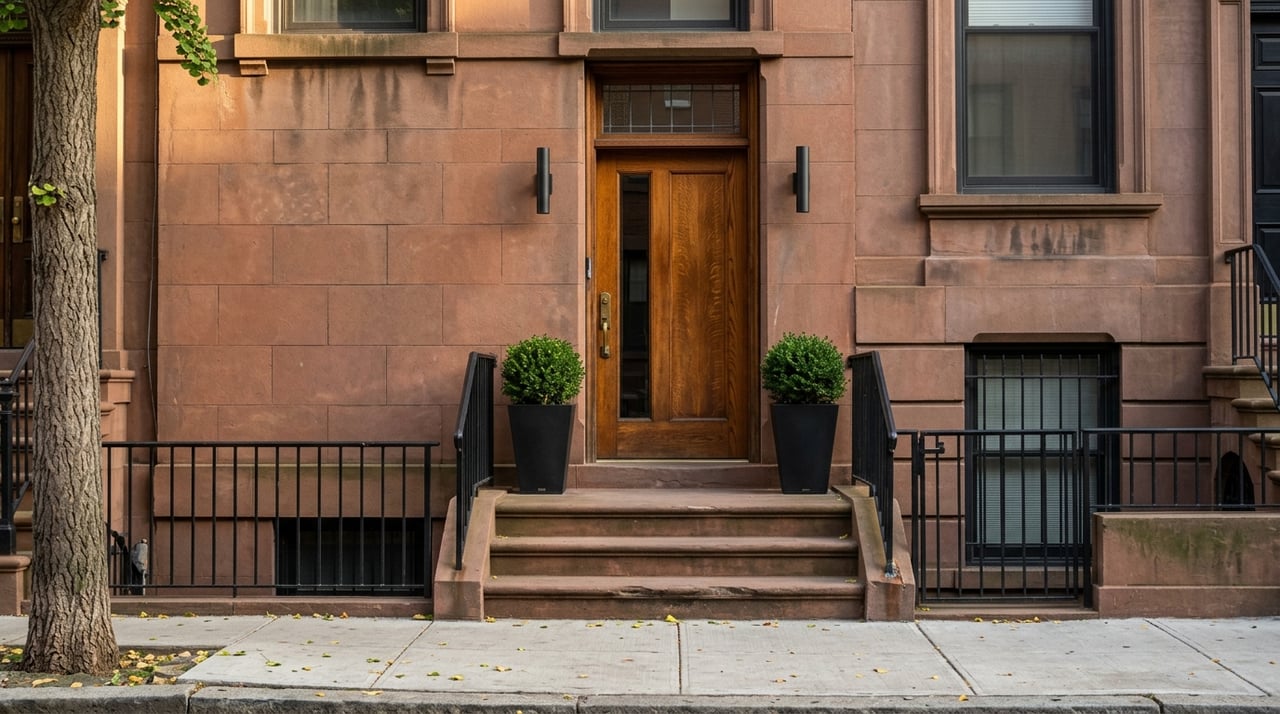
Hoboken offers a wide range of buildings and layouts. You will find historic brownstones and pre-war walk-up buildings with smaller footprints, converted lofts with unique layouts, mid-rises, and newer full-service towers near the waterfront. Some older buildings include co-ops, and finishes can vary from boutique renovations to modern luxury.
Port Imperial focuses on modern high-rise living. Many buildings feature larger floorplans designed to capture river and skyline views. Full-service amenities are common, including doormen, fitness centers, pools, and garage parking. Finishes tend to be more uniform, and larger bedroom counts are easier to find.
Hoboken shines for walkability. Retail, dining, and nightlife cluster along Washington Street and the surrounding blocks. Grocery stores, coffee shops, and services are within easy reach, and the city’s waterfront walkway connects several parks and playgrounds.
Port Imperial offers a quieter rhythm with newer promenades, marina access, and family-friendly open spaces. Many buildings include on-site retail and services, which can make daily life easier. Evenings are calmer compared with Hoboken’s busy core, which some buyers prefer.
Parking can be the tipping point. In Hoboken, street permits are common and private garage spots can be costly. In Port Imperial, assigned or deeded garage parking is more available and often included with many buildings.
High-rise waterfront buildings often include meaningful monthly HOA or condo fees. These fees cover staffing, amenities, grounds, and sometimes utilities. Review what the fee includes and whether the association has a healthy reserve fund. Ask about the history of any special assessments.
Property taxes vary by municipality within Hudson County. Hoboken, Weehawken, and West New York have different tax rates. Always request recent tax bills for a specific property and ask about assessment history. Budget for potential reassessment and any building assessments that fund capital work.
Insurance can affect total monthly cost. Waterfront properties often require flood coverage in addition to homeowners insurance. Confirm whether a building sits in a flood zone, obtain quotes early, and factor premiums into your ownership cost.
Both Hoboken and the Port Imperial corridor sit along the Hudson River and were impacted during Superstorm Sandy. Since then, municipalities and developers have advanced resiliency measures. Buildings differ in elevation, flood barriers, and where mechanical systems are located.
Your due diligence should include a review of current FEMA flood maps and a request for any available elevation certificate. Ask about building-level mitigation such as raised utilities, flood gates, and elevator protection. Speak with the HOA or seller about any past flood damage, repairs, and related assessments. Obtain a current flood insurance quote so you understand the true monthly cost.
Hoboken’s high demand and walkable lifestyle support steady resale activity, especially for smaller units and studios or one-bedrooms. The broad appeal creates liquidity across market cycles. Inventory is also tight due to the city’s compact footprint, which can support per-square-foot values.
Port Imperial’s appeal centers on larger units, full amenities, and views. Newer towers often bring more total inventory, which can shape resale competition in certain cycles. That said, well-sited homes with river views and strong amenity packages tend to remain attractive to buyers who value waterfront living and included parking.
Use this short list to stay clear and decisive as you tour.
Choose Hoboken if you prioritize walkability, frequent multi-modal transit, and a rich neighborhood vibe with restaurants, shops, and parks at your door. Expect more variety in building styles and layouts and a lower likelihood of included parking.
Choose Port Imperial if you want newer towers, larger homes, on-site amenities, garage parking, and a calmer waterfront pace. Ferries and the light rail shape the daily rhythm, with easier car access when you need to drive.
If you want a guided comparison at the building level, curated to your commute, budget, and wish list, reach out. As a waterfront specialist with deep experience across Hoboken and the Port Imperial corridor, including leadership on notable new development sales, I can help you weigh tradeoffs and secure the right home with confidence.
Ready to compare specific buildings and floorplans, line by line? Contact Jessica Williams for a private consultation.
Stay up to date on the latest real estate trends.





Jessica builds trust with each and every client, making their interests the central focus of each and every transaction. This loyalty is often rewarded through repeat clients and extensive referrals, creating an ever-growing network of high-profile clientele with very similar real estate needs. Contact her today!