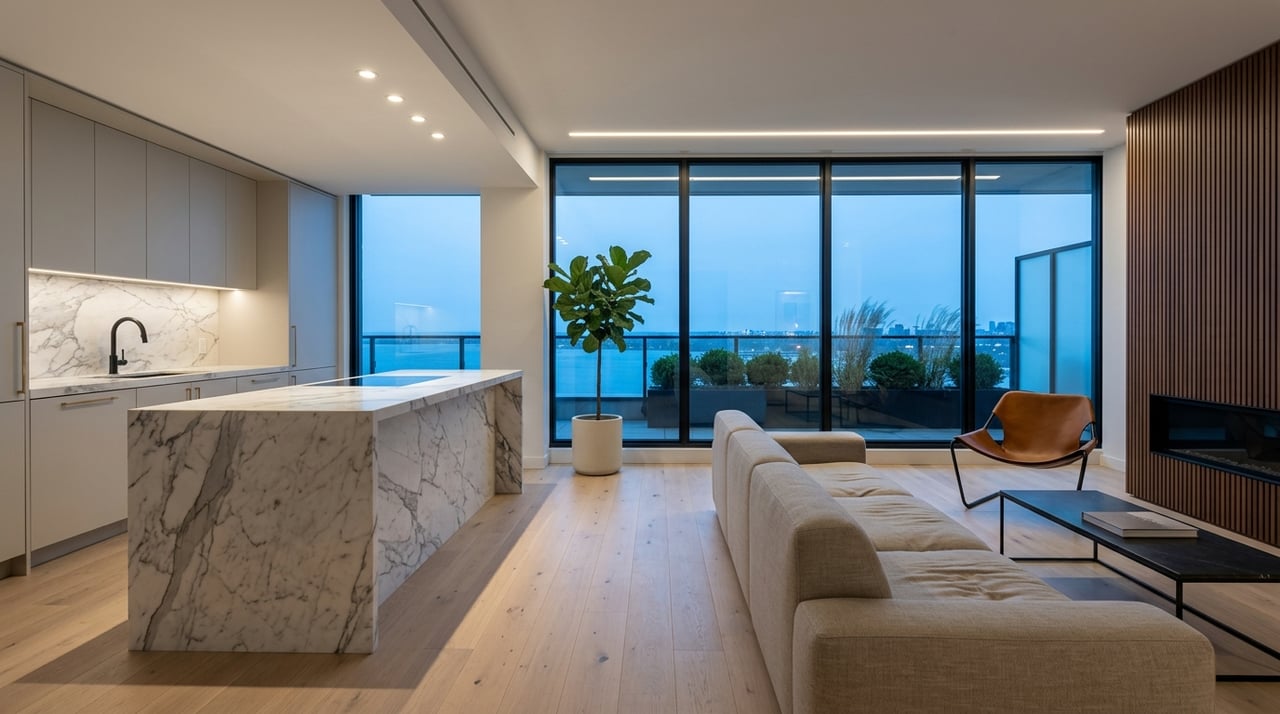
Living Car Free On Hoboken's Waterfront
May 7, 2026
May 7, 2026
If you are thinking about life on Hoboken’s waterfront, you may be asking a simple question: can you really live well without a car? For many buyers, especially those with a Manhattan commute or a routine built around local errands, the answer is yes. Hoboken’s waterfront combines transit access, public open space, and everyday convenience in a way that makes car-free living feel practical, not limiting. Let’s dive in.
Living car free depends on more than one train stop or a nice walking path. It works best when your neighborhood is compact, connected, and built for daily life.
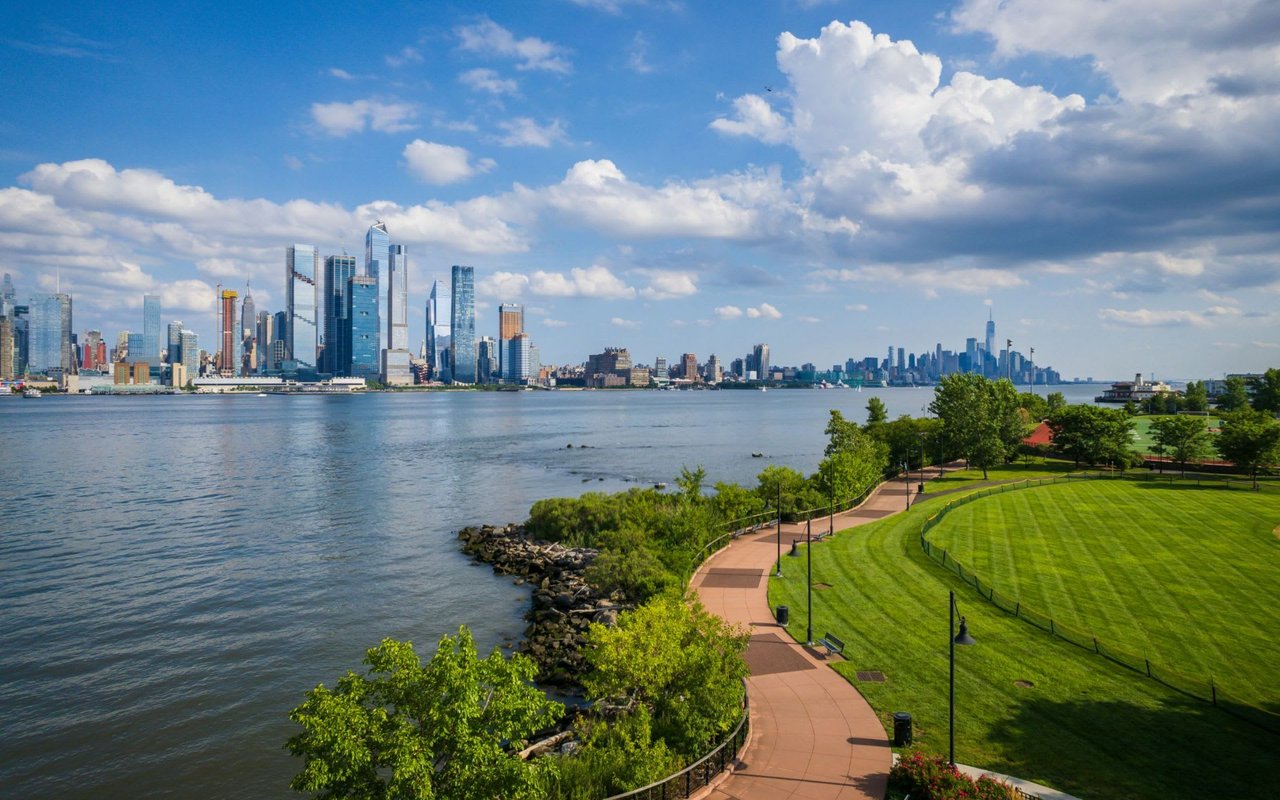
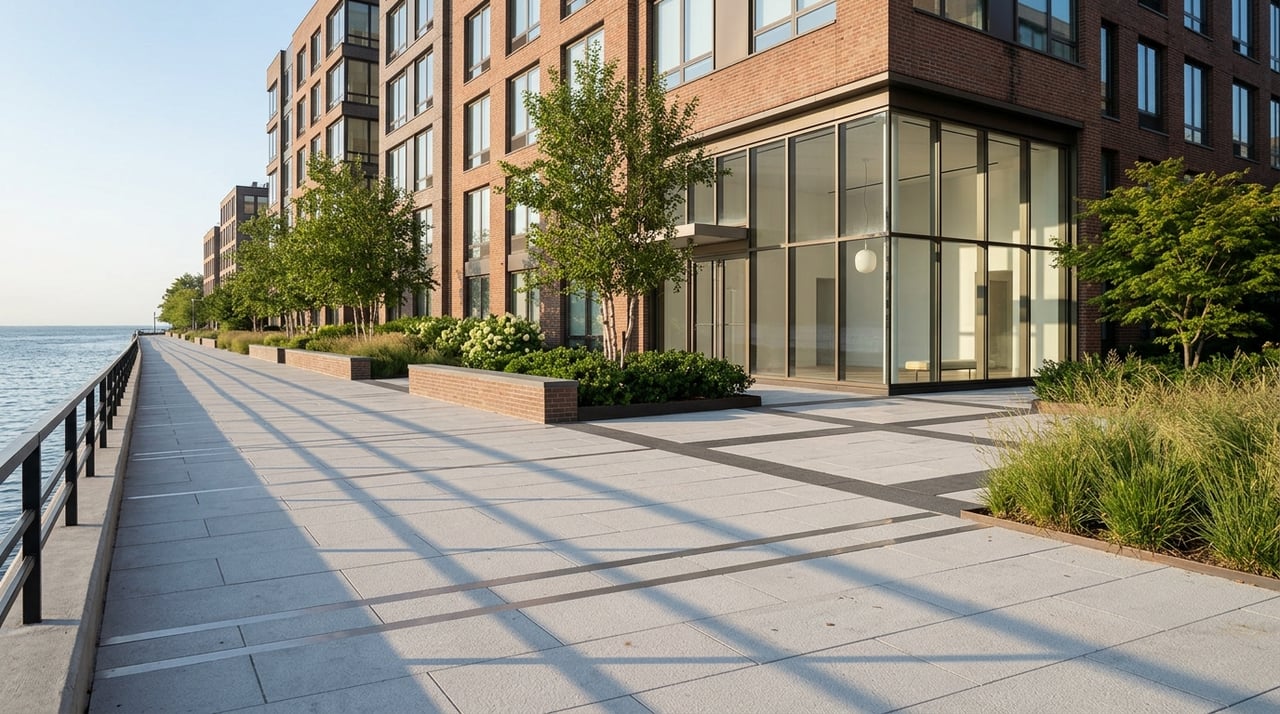
Hoboken’s waterfront stands out for exactly that reason. The city reports about 53 acres of park space, with 11 acres added since 2010, and says the Hoboken stretch of the Hudson River Waterfront Walkway has been nearly completed since 2010. That gives you a shoreline that is not just scenic, but part of how people actually move through the city.
The waterfront also includes public spaces that support day-to-day routines. City listings identify places like Sinatra Park, Pier A Park, Pier C Park, and Maxwell Place Park, along with amenities such as a kayak launch, amphitheater, beach area, fishing pier, play areas, and the waterfront walkway. In practical terms, that means your neighborhood offers more than views. It gives you usable outdoor space close to home.
For a car-free lifestyle, the biggest question is whether transit can handle your regular schedule. On Hoboken’s waterfront, the answer often comes down to how close you are to Hoboken Terminal and how often you travel into Manhattan or around the region.
NJ TRANSIT identifies Hoboken Terminal as an intermodal hub with commuter rail, PATH, ferry, Amtrak, and bike-rack access. It also notes direct connections to PATH and NY Waterway, with light rail and buses supporting Tap & Ride service to and from Hoboken. That range matters because it gives you options, not just one way to get where you need to go.
PATH continues to treat Hoboken as one of its New Jersey termini, with service to Manhattan’s World Trade Center and 33rd Street lines. If you work in downtown or midtown Manhattan, that makes a car less important to your weekly routine. Your commute can stay centered on transit rather than traffic, parking, or tunnel delays.
Ferry service adds another layer of flexibility. NY Waterway shows service from Hoboken/NJ Transit Terminal to Midtown/West 39th Street and Pier 11/Wall Street, plus a Hoboken/14th Street option to Midtown. For many waterfront residents, that second Manhattan route is a real lifestyle benefit, especially when your destination or timing makes the ferry the better fit.
One of the biggest advantages of waterfront living in Hoboken is that many routine trips can stay short and local. When your surroundings are compact and pedestrian-friendly, daily movement feels simpler.
The reopened waterfront walkway and temporary multi-use path along Sinatra Drive, reopened by the city on March 6, 2026, were designed for pedestrians, runners, and cyclists. That supports a daily rhythm where walking is not just recreational. It is part of how you get around.
There is also a realistic point to keep in mind. The city’s construction updates show that some waterfront work is still ongoing, so occasional detours remain part of the current experience. For most buyers, that does not change the overall appeal, but it is useful to understand that the waterfront is still evolving.
Car-free living gets much easier when you can cover short distances quickly. That is where Hoboken’s bike network and bikeshare access come into play.
Citi Bike extends to Hoboken and Jersey City, with more than 100 stations across the two cities and system-wide access for annual members. Citi Bike also positions the system as useful for quick trips and errands, which fits the way many residents use it in practice. If you need to get from uptown to the terminal, or make a stop across town, biking can be a convenient option.
The city also continues to support cycling through Citi Bike, a protected bike-lane project on Grand Street, and safe bicycle connectivity during major construction projects. Hoboken has also awarded funding for protected bike lanes on Sinatra Drive, and the reopened waterfront path is designed for cyclists as well as pedestrians. Together, those improvements help reinforce that biking is part of the transportation mix, not an afterthought.
A car-free lifestyle works best when your essential errands do not require a long trip. Hoboken’s local amenity pattern supports that in a meaningful way.
The city’s farmers-market program operates in downtown, midtown, and uptown neighborhoods, giving residents neighborhood-scale access to produce and other local goods. Hoboken’s Moving to Hoboken resource also lists supermarkets and post offices, which reinforces that many routine errands can be handled close to home. That is a major part of what makes waterfront living feel efficient.
For many households, this means delivery becomes a convenience rather than a necessity. If your groceries, basic services, transit, and open space are already nearby, your day-to-day routine can stay surprisingly streamlined. That is especially attractive if you value time, walkability, and a more flexible city lifestyle.
Car-free living is not a one-size-fits-all choice. It tends to work best when your work, habits, and priorities already align with the neighborhood’s strengths.
The strongest fit is often a buyer whose routine is transit-heavy and local-errand oriented. If you commute to Manhattan, enjoy walking to parks and services, and prefer a lock-and-leave lifestyle, Hoboken’s waterfront can be a very compelling match. In that setting, a private car often becomes optional rather than central.
It may be less compelling if your household depends on frequent driving or regular trips outside the transit corridor. In that case, the convenience of the waterfront may still be appealing, but the tradeoffs deserve a closer look. The right decision depends on how you actually live each week, not just what sounds good on paper.
One encouraging part of Hoboken’s waterfront story is that it is not standing still. The city’s open-space planning materials show an ongoing goal of fully completing the Hoboken stretch of the Waterfront Walkway.
Current project pages also point to future additions such as Maritime Park on the uptown waterfront. For buyers, that suggests a neighborhood with established appeal and continued public investment. It is a reminder that the waterfront experience is already strong, while still moving forward.
If you are considering a home on Hoboken’s waterfront, transportation and lifestyle should be part of the same conversation. A beautiful residence is only part of the equation. How easily you can move through your day matters just as much.
For many buyers, especially relocating professionals and Manhattan commuters, the appeal is clear. You get direct access to PATH, ferry, rail, light rail, buses, local bikeshare, and a walkable waterfront setting that supports errands and recreation close to home. That combination can make living without a car feel less like a compromise and more like a smart lifestyle choice.
The key is matching the property to the way you live. If you want a home that supports a transit-centered routine, Hoboken’s waterfront offers one of the strongest cases on the Hudson River. And if you want guidance on which buildings or micro-locations best support that lifestyle, working with a local waterfront specialist can make the search much more precise.
If you are exploring Hoboken waterfront homes and want a tailored perspective on location, commute flow, and lifestyle fit, contact Jessica Williams for a private consultation.
Stay up to date on the latest real estate trends.

Weehawken, NJ
Living on the Weehawken Waterfront
Jessica builds trust with each and every client, making their interests the central focus of each and every transaction. This loyalty is often rewarded through repeat clients and extensive referrals, creating an ever-growing network of high-profile clientele with very similar real estate needs. Contact her today!