Hoboken Brownstone vs Condo: Find Your Best Fit
July 2, 2026
July 2, 2026
Choosing between a Hoboken brownstone and a waterfront condo is not just about style. It is about how you want to live every day, how you want to commute, and how much responsibility you want to take on as an owner. If you are weighing historic charm against modern convenience, this guide will help you compare the tradeoffs clearly and confidently. Let’s dive in.
Hoboken’s housing stock tells two very different stories. Brownstones are part of the city’s historic rowhouse fabric, while waterfront condos are tied more closely to redevelopment districts, mixed-use projects, and modern residential growth.
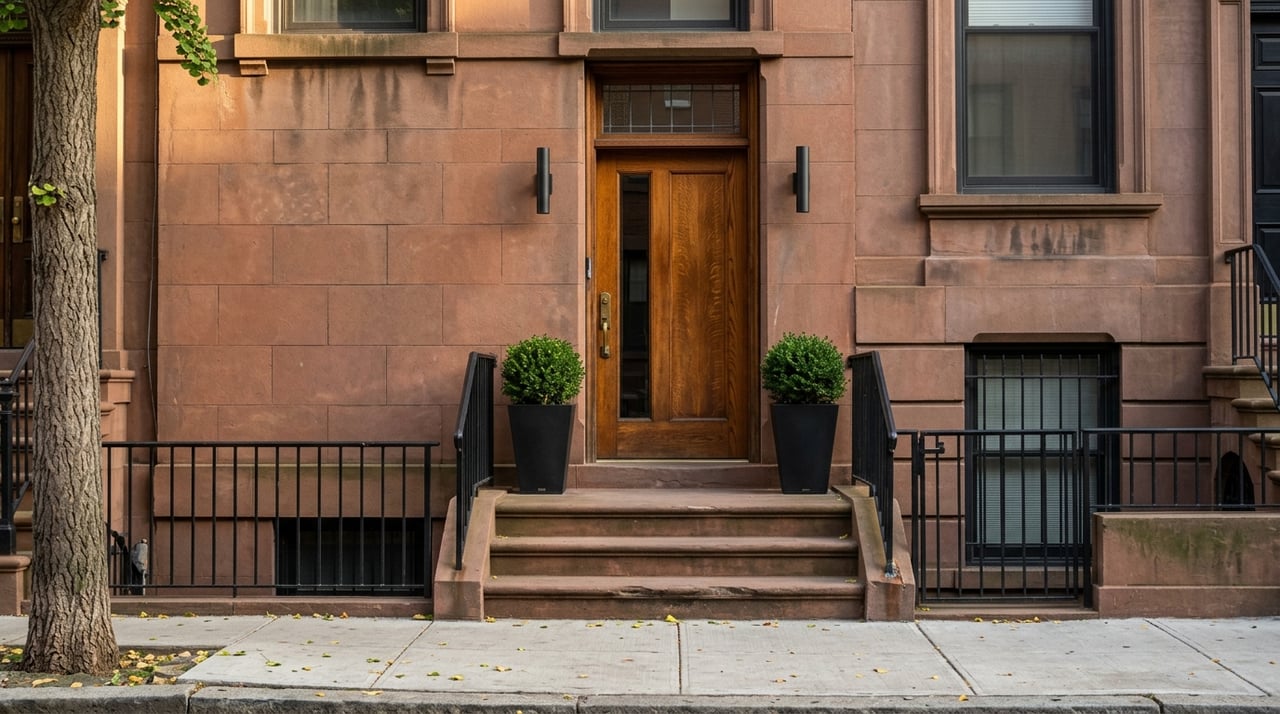
The state historic survey identifies masonry rowhouses as Hoboken’s predominant residential building type. These homes are typically three stories tall, two to three bays wide, and often feature raised basements or garden levels, stoops, offset entries, and ironwork that creates a buffer from the sidewalk. That is a big reason brownstone living feels so rooted in inland blocks like Bloomfield Street and Garden Street.
On the waterfront, the experience shifts. The City of Hoboken describes areas such as the South Waterfront Redevelopment Area, the North End, Hoboken Connect, and Maritime Park as places shaped by mixed-use development, public infrastructure, open space, and transit connections. In practical terms, this is the more modern, amenity-oriented side of the market.
If you are drawn to brownstones, you are usually drawn to more than the façade. You may want a home that feels personal, layered, and distinctly Hoboken.
Brownstones tend to offer a more house-like ownership experience. The stoop and areaway create a sense of privacy at the street level, even though the homes are attached within a rowhouse block. That subtle separation from the sidewalk can make the entry experience feel more private and more residential.
That privacy comes with responsibility. In Hoboken’s local historic districts, exterior additions, renovations, and other visible changes may be reviewed by the Historic Preservation Commission. The city also requires permits for new construction, alterations, demolition, and exterior work such as painting or replacing windows in the historic district.
For you as a buyer, that means a brownstone purchase is not just about square footage or character. It can also mean a longer planning process for exterior work, more coordination with contractors, and closer attention to what changes are allowed.
Waterfront condos usually appeal to buyers who want a more streamlined ownership model. Instead of managing the building envelope yourself, you share that responsibility through the building structure and monthly dues.
That can create a more predictable day-to-day experience. Condo and HOA dues are typically separate from the mortgage, and they often help cover shared expenses such as maintenance, landscaping, roofs, and other common elements. The tradeoff is simple: you may take on fewer direct building responsibilities, but you also commit to recurring shared costs and community rules.
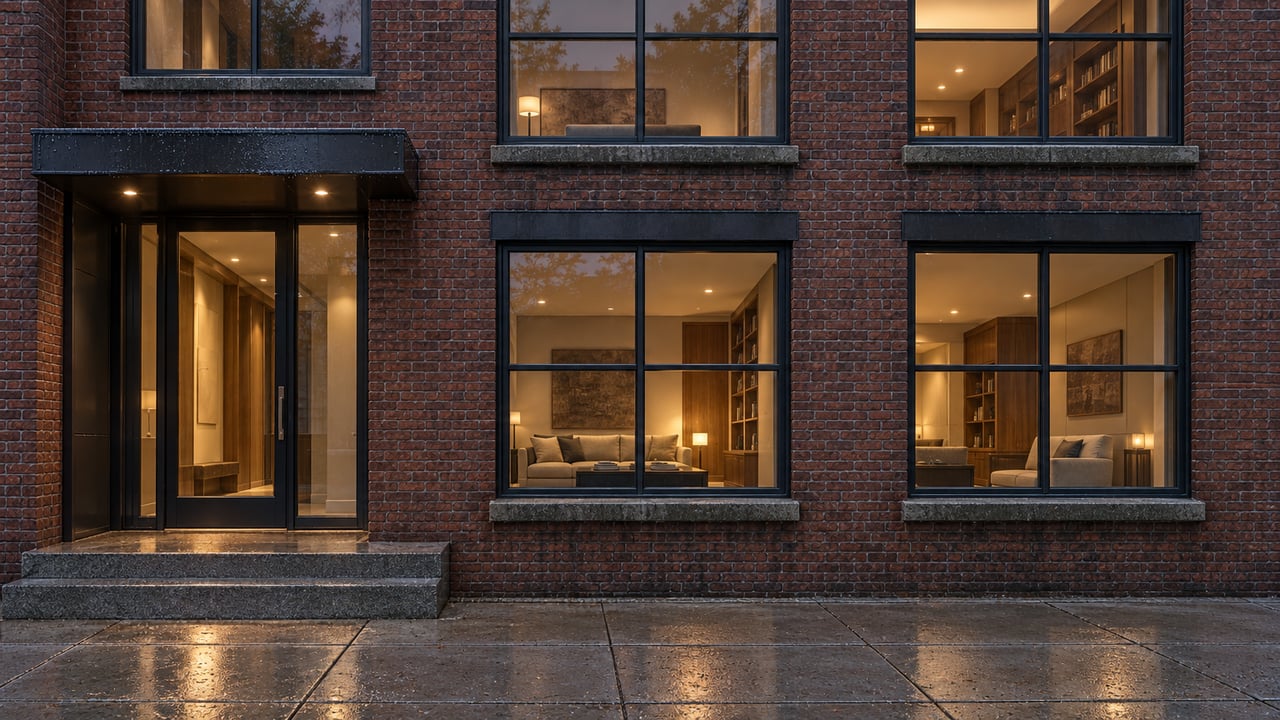
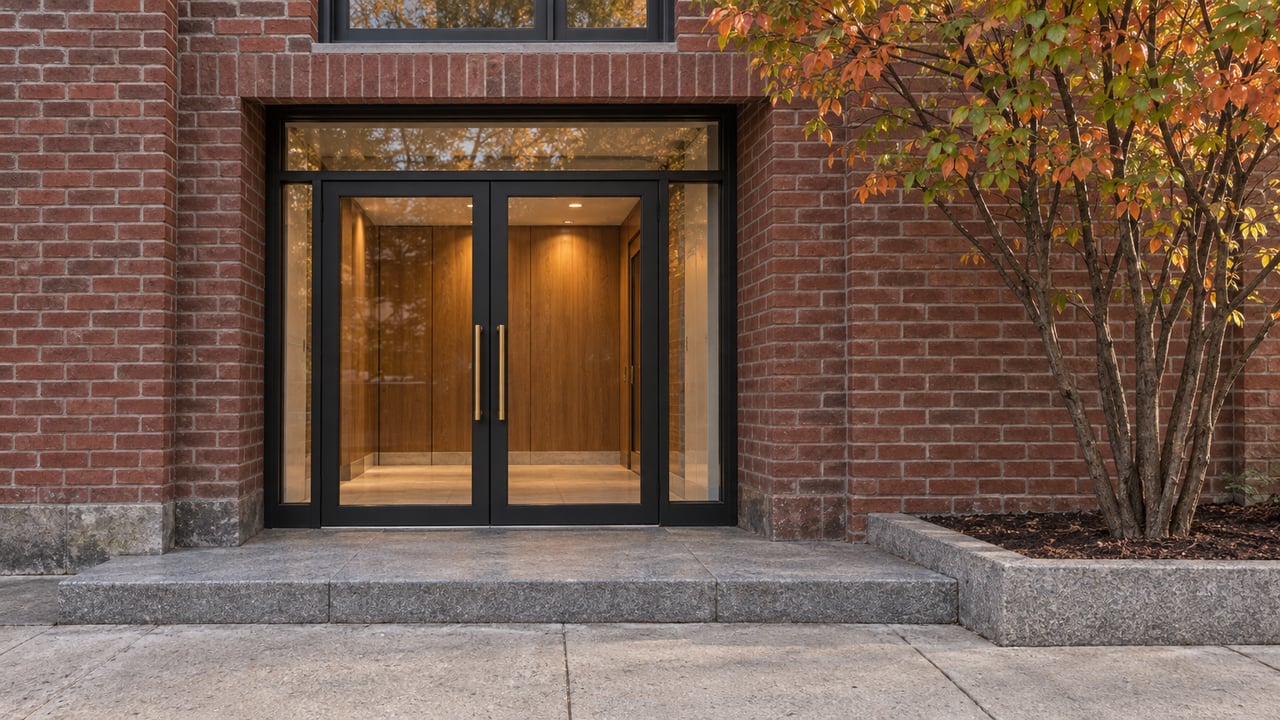
The lifestyle can feel different from the moment you walk in. Rather than a stoop and private front door, you may have a staffed lobby, shared corridors, elevators, and building-wide policies. For many buyers, especially commuters and relocating professionals, that structure feels efficient and easy to manage.
In Hoboken, your commute may matter more than your countertops. The city’s transit network gives you multiple ways to reach Manhattan and nearby Hudson County destinations, but the best fit depends on how you actually travel.
Hoboken Terminal is the city’s major transit hub. NJ TRANSIT lists rail, PATH, and ferry service there, and the Hudson-Bergen Light Rail connects the terminal with Jersey City and other waterfront communities. NY Waterway also serves Midtown and Downtown Manhattan from both the Hoboken Terminal and Hoboken 14th Street.
If you use PATH most often, your ideal location may differ from someone who depends on the ferry. If you want flexibility between rail, ferry, light rail, and PATH, a waterfront or terminal-adjacent condo may feel especially attractive. If your daily routine is more neighborhood-focused, a brownstone on a classic inland block may feel worth the trade.
Not all waterfront living in Hoboken feels the same. Several micro-markets show how varied the condo lifestyle can be.
This is one of Hoboken’s most established waterfront corridors. The city is upgrading the waterfront walkway and bikeway between Sinatra Drive and Newark Street and along Pier A, reinforcing the area’s pedestrian and cycling connections.
Nearby public spaces such as Pier A, Pier C, and the surrounding waterfront circulation help define the lifestyle here. If you picture daily walks along the Hudson and easy access to open space, this stretch offers a strong example.
Maxwell Place Park at 1 11th Street includes a beach area, passive open space, and a waterfront walkway. This area reflects the kind of riverfront living many buyers imagine when they start searching for a Hoboken condo.
For you, this can translate into a strong lifestyle value even beyond the building itself. The public realm becomes part of the ownership experience.
The city’s work along Shipyard Lane and Sinatra Drive is designed to keep the Green Circuit continuous from Pier A to the 14th Street Ferry Terminal. That matters because it supports the connected, active nature of waterfront living.
This area is a strong fit for buyers who want ferry access, pedestrian continuity, and a neighborhood shaped by movement along the river rather than by a single building address.
The North End is still evolving. The city’s planning there includes land use, transit solutions, flood mitigation, and new open space.
If you are comfortable buying into an area with ongoing change, this district may appeal to you. It offers a waterfront-adjacent story that is still being written.
Hoboken Connect is a mixed-use project near Hoboken Terminal that includes public infrastructure improvements and a 386-unit residential building. It is one of the clearest examples of modern, transit-linked living in Hoboken.
For relocation buyers and executive commuters, this kind of location can be especially compelling. It places housing close to multiple transportation options in one of the city’s most connected zones.
When buyers compare brownstones and condos, the monthly budget can look very different even at similar price points. The purchase price is only part of the equation.
Hoboken property taxes are billed quarterly and include municipal, school, county, and library taxes. Beyond that, your real monthly housing picture should include taxes, insurance, utilities, maintenance, repairs, HOA fees where applicable, and flood insurance if relevant.
For condo buyers, HOA dues are a standard line item. For brownstone buyers, the bigger question is often how and when future maintenance or capital work may show up. One path concentrates costs into recurring dues, while the other may involve more variable repair and upkeep expenses over time.
Flood risk is not a side note in Hoboken. It is part of the local ownership conversation and should be considered early in your decision-making.
The city’s flood-warning information notes that western Hoboken includes some of the most flood-prone intersections and links severe rainfall and Hurricane Ida to basement and home flooding. That is especially important if you are considering a property with a basement, garden level, or lower-level living space.
The city has also invested in resilience infrastructure. ResilienCity Park can detain up to 2 million gallons of stormwater, and ongoing projects tied to the waterfront, Sinatra Drive, and Maritime Park include drainage, stormwater management, green infrastructure, and coastal-flooding resilience.
For you, this means the right question is not simply whether one home is on the waterfront and another is inland. It is whether the specific location, building type, and floor plan match your comfort level with flood exposure and long-term resilience planning.
A Hoboken brownstone may be the right fit if you want historic character, direct ownership, and a more house-like feel. You may be comfortable taking on maintenance and working within historic-district oversight when exterior changes are involved.
A waterfront condo may be the better fit if you want a more predictable building system, shared services, and strong access to ferry, PATH, light rail, or terminal-area commuting. You may value amenities, simpler upkeep, and a polished lock-and-leave lifestyle.
In Hoboken, this decision is usually less about which property type is better. It is about whether you want to manage a home more independently or participate in a shared building environment.
If you want help comparing specific Hoboken brownstones, waterfront condos, or evolving micro-markets along the Hudson, Jessica Williams offers the kind of local, high-touch guidance that can make the choice much clearer.
Stay up to date on the latest real estate trends.




Jessica builds trust with each and every client, making their interests the central focus of each and every transaction. This loyalty is often rewarded through repeat clients and extensive referrals, creating an ever-growing network of high-profile clientele with very similar real estate needs. Contact her today!